

Annual Termite Inspections
Annual inspections help protect Brisbane homes.
3,000+
Inspection Every Year. Thousands of Brisbane homes inspected annually.
Brisbane Experts
Serving Brisbane homes for over 35 years.
Peace of Mind
Helping Brisbane families protect what matters most.
Brisbane's Termite Inspection Specialists
Professional termite inspections for Brisbane homes using thermal imaging, moisture detection and over 35 years of local inspection experience.
At Results Termite & Pest Control Services, inspections combine detailed inspection process, licensed technicians and specialised termite detection tools to help identify termite activity early.
Annual termite inspections are strongly recommended for Brisbane homes due to the region’s warm climate and high termite pressure.

Trusted Termite Inspectors in Brisbane for Over 35 Years
Professional termite inspections backed by decades of experience across Brisbane homes and conditions.

35+ years inspecting Brisbane homes
Thermal imaging included with every inspection
Licensed and experienced termite inspectors
Detailed reports with clear findings and recommendations
Practical advice to reduce future termite risk
Where risks are identified, we provide practical recommendations to help reduce the likelihood of termite attack in the future.
Why Brisbane Homes Need Regular Termite Inspections
Brisbane’s warm subtropical climate allows termites to remain active throughout the year, creating high termite pressure across South East Queensland.
Subterranean termites commonly enter buildings through concealed areas such as slab cracks, expansion joints and subfloor structures, where activity often remains hidden. More information about termite behaviour is available from the Queensland Government.
Because infestations can develop unnoticed inside walls and structural timbers, regular termite inspections help detect termite activity early before significant damage occurs.
Why Termites Often Go Undetected

Year-Round Termite Activity
Termites remain active throughout the year in Brisbane.

Activity Often Goes Unnoticed
Hidden inside walls and structural timbers until damage becomes visible.

Hidden Entry Points
Termites often enter buildings through slab cracks, expansion joints and subfloor areas.

Early Detection Prevents Major Damage
Early inspections help detect termites before major damage occurs.

What a Professional Termite Inspection Includes
Every termite inspection is carried out by a licensed technician and involves a systematic inspection of the accessible areas of the property.
Our inspections include:

Full internal and external inspection
Roof void and subfloor inspection (where accessible)
Moisture detection equipment
Thermal imaging technology
Identification of termite activity and damage
Detailed termite inspection report

Signs You May Need a Termite Inspection


Homeowners often arrange a termite inspection after noticing changes in timber or unusual signs around the property. However, termites are frequently active long before visible damage appears.
Some common signs that may indicate termite activity include:
-
Mud tubes or “mud leads” along walls, fences or foundations
-
Hollow sounding timber when tapped
-
Bubbling or distorted paint on walls or timber
-
Sagging floors or doors that suddenly stick
-
Termite frass (fine timber dust) from drywood termites
If you notice any of these signs, arrange a professional termite inspection as soon as possible.
What Happens During a Termite Inspection
Our termite inspections follow a systematic process designed to identify active termites, termite damage and conditions that may place your home at risk.
1.
The Property and Surrounding
We inspect the surrounding property for termite activity, entry points and conditions that may increase risk.

Tree stumps
Timber retaining walls
Landscape timbers

Timber stored against buildings
Garden beds and fence lines
These areas can increase termite pressure around a property and are often where termite activity begins.

2.
Exterior of the Building
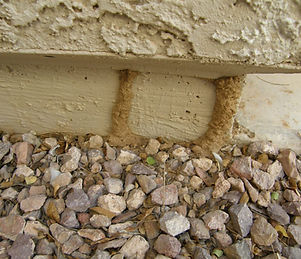
The exterior of the building is inspected for common termite entry points, damage and conducive conditions.
Mud leads and termite tubes
Timber-to-soil contact
Timber damage
Cracks in slabs or foundations
Excess moisture around the home
Termites commonly enter homes through concealed entry points around foundations, expansion joints and service penetrations.
3.
Interior Inspection
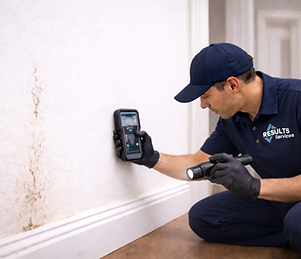
Accessible internal areas are inspected using specialised equipment to identify termite activity and damage.
Moisture meter testing
Evidence of termite damage
Thermal imaging technology
Walls, skirting boards and door frames
Inside the home, we inspect accessible walls, skirting boards, door frames and other areas where termite activity or damage may be concealed.
4.
Subfloor & Roof Void Inspection
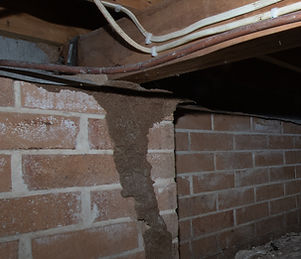
Where accessible, these areas are inspected for concealed termite activity, timber damage and moisture issues.
Timber bearers and joists
Foundation walls
Plumbing penetrations
Moisture conditions
These areas often provide ideal conditions for concealed termite activity and are important parts of a comprehensive termite inspection.
5
Findings & Recommendations
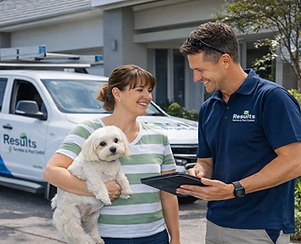
You'll receive a detailed report outlining:
Any termite activity found
Recommendations to help reduce future termite risk
Areas of concern
Conditions conducive to termite attack
Suitable treatment or protection options where required

Protect your home
with a professional
termite inspection
Call our friendly team on
07 3823 2500
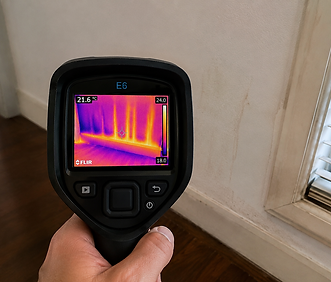
Hidden termite activity isn't always visible to the naked eye.
Every termite inspection includes professional thermal imaging to help identify subtle temperature variations that may indicate concealed termite activity or moisture issues. Used alongside moisture detection equipment and a comprehensive visual inspection, it provides another valuable tool for assessing your home.

Included with Every Inspection
No additional cost.
Dectects Hidden Activity
Helps identify issues not visible to the eye.
Identifies Moisture Concerns
Assists in finding mositure problems
Supports Accurate Advice
Helps us give you the most accurate advice.
Termite Risk Factors for Brisbane Properties
Certain conditions around a property can increase termite risk. During an inspection, we identify these conditions and provide practical recommendations to help reduce future risk.
Timber retaining walls or landscape sleepers
Tree stumps or buried timber
Mulch or garden beds against the house
Timber-to-soil contact
Poor drainage or leaking taps
Stored timber or firewood near the home
Homes bordering bushland or natural reserves

Identifying these conditions allows us to recommend practical steps that can help reduce termite risk over time.
Many of these conditions are common around Brisbane homes, which is why regular termite inspections are strongly recommended across South East Queensland.

Termite Inspections in Queensland – What Homeowners Should Know
Professional termite inspections are carried out in accordance with Australian Standard AS 4349.3, which provides industry guidelines for inspecting properties for termite activity, damage and conditions that may increase the risk of attack.
Termite inspections are non-invasive and are limited to accessible areas of the property. Because termites often remain hidden inside wall cavities or other concealed structural areas, no inspection can guarantee that every termite is detected.
Brisbane is one of Australia's highest termite risk areas, which is why annual termite inspections are recommended to help detect termite activity early and reduce the risk of costly damage.
Book Your Brisbane Termite Inspection
If you suspect termite activity or simply want peace of mind, our experienced inspectors are ready to help.
Results Termite & Pest Control Services provides professional termite inspections across Brisbane and surrounding areas, helping homeowners detect termite activity early and protect their property.
Call our office or request a quote online to book your termite inspection today.

We provide termite inspections across Brisbane, Redlands, Bayside, and surrounding South East Queensland suburbs.
Frequently Asked Questions About Termite Inspections in Brisbane
How often should a termite inspection be done in Brisbane?
For most Brisbane homes, a professional termite inspection is recommended at least once every 12 months. Homes with previous termite activity, higher-risk construction or other risk factors may require more frequent inspections.
How long does a termite inspection take?
The time required depends on the size, construction and accessibility of the property. A thorough inspection takes time because accessible internal areas, the exterior, roof void, subfloor and surrounding property all need to be assessed.
Is thermal imaging included in the inspection price?
Yes. Thermal imaging is included with every termite inspection at no additional cost. It is used alongside visual inspection and moisture testing to help identify areas that may require closer investigation.
What happens if termites are found?
If active termites are found, we’ll explain the findings and recommend the next steps based on the location and extent of the activity, the construction of your home and other relevant conditions. Where treatment or long-term protection is required, we’ll explain the available options clearly.
How much does a termite inspection cost?
A standard residential termite inspection is $315. You can also combine your termite inspection with a professional general pest treatment for $415, completing both services during the same visit.
Professional Termite Inspections Across Brisbane and Surrounding Areas
Results Termite & Pest Control Services provides professional termite inspections across Brisbane, the Redlands, Bayside suburbs, Logan and surrounding Brisbane areas.